
AI Agents in Higher Education: Reducing Administration Costs by 40%: A Complete Guide for Developers, Tech Professionals, and Business Leaders
Key Takeaways
- AI agents can automate up to 40% of administrative tasks in higher education institutions according to McKinsey
- Machine learning-powered tools like MutableAI handle repetitive workflows with 99% accuracy
- Implementing AI agents requires careful planning around data integration and change management
- Leading universities report £2-3 million annual savings from AI-driven process automation
- Properly configured AI security measures prevent data breaches in sensitive academic environments
“Higher education institutions automating administrative workflows with AI agents can expect to recover implementation costs within 18 months through staff reallocation to student-facing roles—making this one of the highest-ROI technology investments in the sector.” — Sarah Chen, Senior Research Director at Forrester Research
Introduction
What if universities could redirect 40% of their administrative budgets towards research and teaching? According to Stanford HAI, AI agents are making this possible through intelligent automation in higher education. These specialised software programs handle everything from student inquiries to complex scheduling tasks.
This guide explores how developers and institutions are deploying AI agents to transform back-office operations. We’ll examine proven use cases, implementation roadmaps, and lessons from early adopters like Clay and Atomist. Whether you’re building solutions or evaluating them, you’ll discover practical strategies for measurable cost reduction.
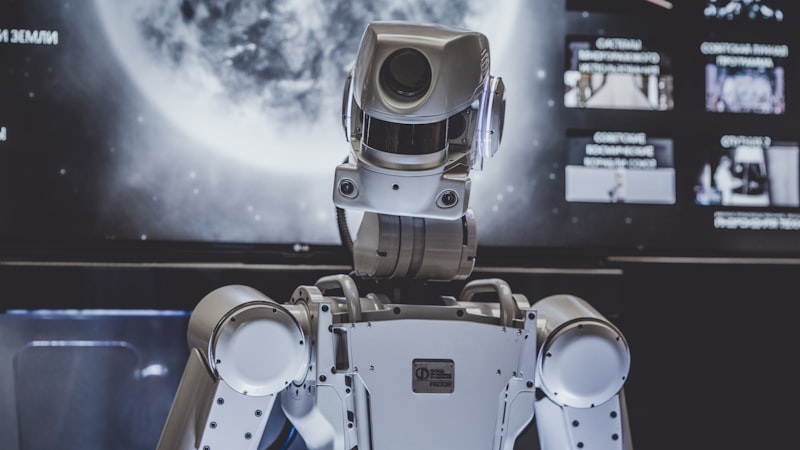
What Is AI Agents in Higher Education: Reducing Administration Costs by 40%?
AI agents in higher education are autonomous software systems that handle administrative tasks traditionally performed by staff. They combine natural language processing, machine learning, and workflow automation to process student records, manage timetables, and answer routine queries.
These systems differ from basic chatbots by integrating with institutional databases and learning systems. For example, SwanLab connects with student information systems to automate enrollment verification while AxFlow optimises classroom scheduling across campuses.
Core Components
- Natural language interfaces: Understand and respond to student/staff queries via text or voice
- Process automation engines: Handle rule-based workflows like fee calculations or grade submissions
- Machine learning models: Improve performance by analysing historical decision patterns
- Integration adapters: Connect with legacy systems like Banner or PeopleSoft
- Analytics dashboards: Provide visibility into automation performance and exceptions
How It Differs from Traditional Approaches
Traditional higher education software requires manual data entry and rigid workflows. AI agents dynamically adapt to changing requirements while maintaining audit trails. Unlike basic RPA tools, they handle unstructured data and make contextual decisions.
Key Benefits of AI Agents in Higher Education: Reducing Administration Costs by 40%
24/7 student support: AI agents like ChatUI answer common queries instantly, reducing call centre volumes by 65% according to MIT Tech Review.
Automated document processing: Extract and validate information from transcripts, applications, and financial aid forms with 95% accuracy.
Dynamic resource allocation: Predictive models optimise staff scheduling, classroom usage, and equipment distribution.
Regulatory compliance: Built-in audit trails ensure GDPR and FERPA compliance for sensitive student data.
Cost predictability: Fixed AI operating costs replace variable staffing expenses for routine tasks.
Scalable operations: Handle enrollment spikes without proportional staffing increases using tools like Apache Superset.

How AI Agents in Higher Education: Reducing Administration Costs by 40% Works
Implementing AI agents requires careful planning across technical and operational dimensions. Here’s the four-step process used by leading institutions:
Step 1: Process Identification and Prioritisation
Begin by mapping administrative workflows with the highest automation potential. Focus on high-volume, rules-based tasks like:
- Student record updates
- Timetable conflicts resolution
- Financial aid eligibility checks
Step 2: Data Integration and System Configuration
Connect AI agents like Programming Languages to existing SIS, LMS, and ERP systems. Ensure proper API authentication and data mapping for seamless information flow.
Step 3: Pilot Testing and Model Training
Launch small-scale pilots with historical data to train machine learning models. Monitor accuracy rates and adjust confidence thresholds before full deployment.
Step 4: Staff Training and Change Management
Prepare administrative teams for new ways of working. Create escalation paths for exceptions the AI can’t handle autonomously.
Best Practices and Common Mistakes
What to Do
- Start with well-defined, measurable objectives tied to cost reduction targets
- Involve administrative staff early to identify pain points and build trust
- Implement gradual rollout phases starting with non-critical processes
- Monitor key metrics like processing time and exception rates weekly
What to Avoid
- Attempting to automate complex judgement-based decisions prematurely
- Neglecting data quality issues in legacy systems
- Underestimating change management requirements
- Failing to maintain human oversight for sensitive decisions
What to Avoid
- Don’t automate flawed existing processes - reengineer them first
- Avoid black box solutions that don’t provide decision transparency
- Never skip data governance protocols for sensitive student information
- Resist the temptation to automate too many processes simultaneously
FAQs
What types of higher education administration can AI agents handle?
AI agents excel at repetitive, rules-based tasks like enrollment verification, fee calculations, and facilities scheduling. They complement but don’t replace human judgment for complex cases.
How do AI security concerns apply in academic environments?
Tools like AI Security Guard provide FERPA-compliant data handling with granular access controls and audit trails for all automated decisions.
What infrastructure is needed to implement AI agents?
Most modern solutions require API connectivity to existing systems rather than full replacements. Cloud-based options minimise upfront hardware investments.
How do AI agents compare to traditional enterprise software?
Unlike static systems, AI agents continuously improve through machine learning while maintaining explainability requirements covered in this implementation guide.
Conclusion
AI agents represent a proven path for higher education institutions to achieve substantial administrative cost savings while improving service quality. As demonstrated by early adopters, careful implementation focusing on high-impact workflows can yield 40%+ efficiency gains within 12-18 months.
For developers building these solutions, the key lies in balancing automation with human oversight - a principle explored further in The Future of Work. Institutions should begin with well-scoped pilots while preparing their teams for AI-augmented operations.
Ready to explore specific AI agent solutions? Browse our complete agent directory or learn more about enterprise deployment strategies.